Artist Growth & Fanbase
Build Your Tribes and Your Fanbase as a Music Artist
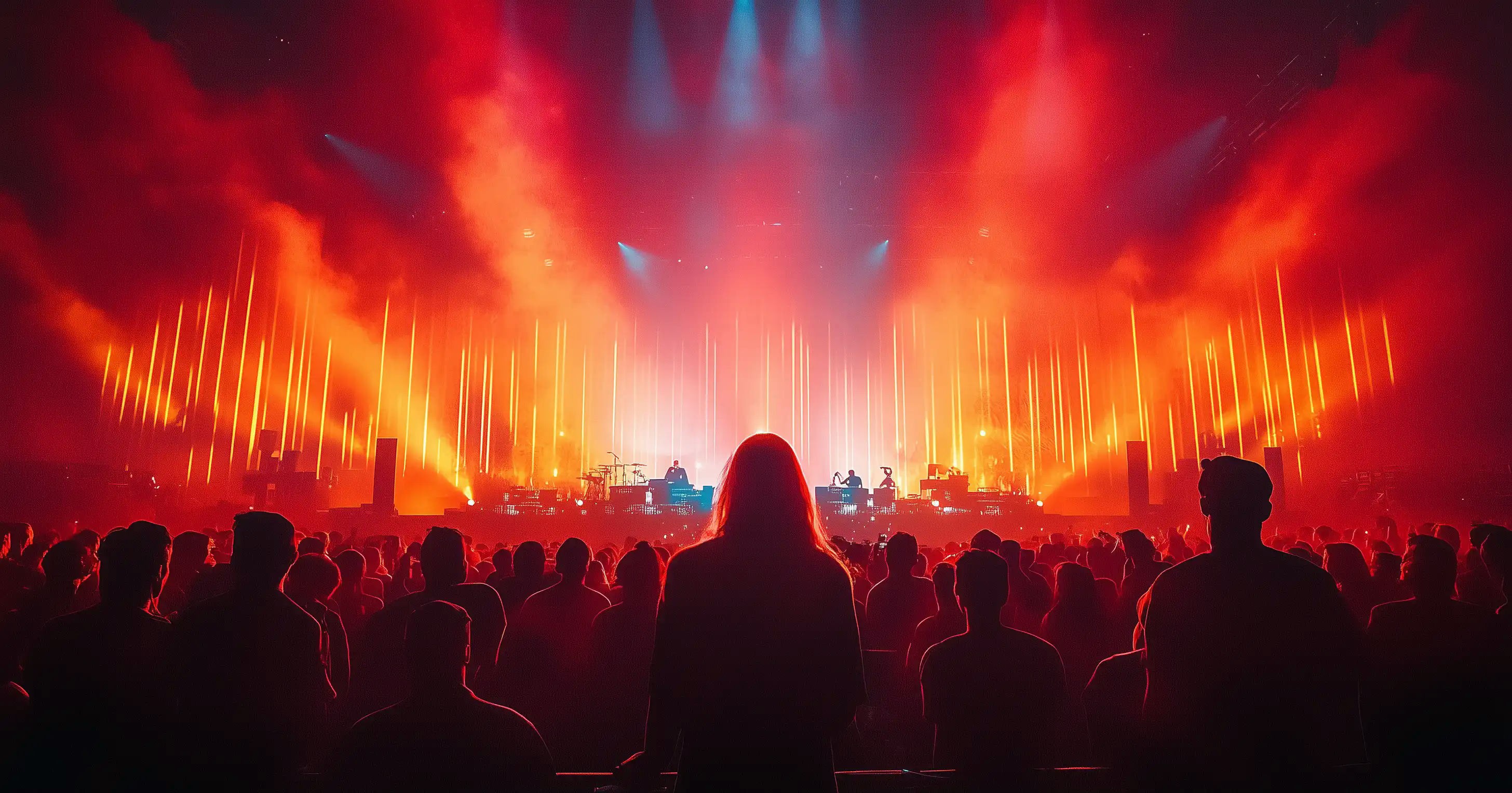
The modern digital music experience is profoundly, terrifyingly lonely. Millions of consumers stare into the glowing abyss of their smartphones, passively absorbing algorithmic background noise through sterile white earbuds while waiting for the morning train. The grand utopian promise of the digital age was absolute global connection, but it ultimately delivered a fractured, isolated wasteland where songs are consumed like fast food and discarded just as quickly. For the modern musician staring down the barrel of 2026, the harsh reality is undeniable: the old model of merely releasing audio into the digital void and hoping for a fleeting viral moment is absolute cultural suicide. Music was never meant to be a solitary confinement cell. It demands a riot, a congregation, a sweaty room full of true believers screaming the lyrics back at the stage. The only viable path forward for the independent artist is the radical, intentional construction of a genuine tribe. Survival no longer depends on pleasing a silicon brain; it depends entirely on cultivating a rabid, bleeding-heart community.
The Illusion of the Follower Count
Before the architect can build, they must first understand the complete worthlessness of the current foundation. The music industry has spent the last decade brainwashing creators into worshipping vanity metrics. An artist might boast a hundred thousand followers on a legacy video-sharing app, but the moment the algorithm changes its mood, that audience vanishes into the ether. Those are not fans; they are hostages of the scroll. They are passive observers who might leave a momentary "like" before their brain is instantly hijacked by a completely unrelated piece of visual noise.
True fandom is not a passive state; it is an active, aggressive allegiance. The listener must feel a sense of ownership over the art. When an artist relies entirely on the major streaming monoliths and traditional social media to communicate, they are essentially renting space in a corporate shopping mall. The landlord can, and will, change the locks at any moment. Therefore, the absolute first step for any creator who actually wants to leave a dent in the culture is to drag their audience off the rented land and into a dedicated sanctuary.
The Architecture of the Digital Sweatbox
To escape the algorithmic graveyard, the creator must fundamentally change their posture. The goal is no longer to amass passive streams, but to build an interactive music fan community where the friction of true obsession can actually spark a fire. This requires a dedicated, localized space where the artist is not just a content generator, but the ringleader of a chaotic circus.
The artists who are actively surviving the 2026 saturation are executing this through precise, actionable maneuvers:
The Velvet Rope Protocol: The most successful underground acts are actively gating their most vital communications. By driving listeners toward private servers, localized forums, or direct-to-fan text threads, the artist creates an exclusive digital sanctuary. It transforms the listener from a casual consumer into an insider, a co-conspirator in the sonic rebellion. When an unreleased demo is shared in a closed room rather than blasted to the general public, it immediately gains immense cultural weight.
Orchestrating the Riot, Not Just Broadcasting: An artist must never simply post a link to a new single and log off. The space must be treated as a living, breathing dive bar. The creator must ask polarizing questions, provoke heated arguments about sonic direction, and actively encourage the audience to connect with other music lovers online. The community must eventually become entirely self-sustaining—a place where the kids come for the music, but stay for the shared tribal identity.
Democratizing the Process: The barrier between the stage and the floor must be obliterated. The smartest creators are letting their most rabid supporters vote on setlists, choose merchandise designs, and even weigh in on album artwork. Giving the fanatic a tangible stake in the artist's trajectory turns a casual listener into a lifelong evangelist who will defend the band to their dying breath.
Infiltrating the Underground Networks
However, building a walled garden is only half the battle; the artist must also know exactly where to find the maniacs willing to break down the gates. Screaming into the void of legacy social media platforms is a fool's errand. The modern promotional hustle requires identifying the best places to discuss new music releases, locating the actual tastemakers who are hiding out, thoroughly exhausted by the mainstream, automated noise.
This is exactly where the tectonic plates of the music industry are shifting with violent force. The culture is migrating rapidly toward spaces built explicitly for human curation and genuine debate. Consider the meteoric rise of the dedicated social music discovery network, a digital ecosystem entirely divorced from the passive, corporate streaming model. Spaces like Audiopool are becoming the absolute proving grounds for vital independent art. In these arenas, the power is violently stripped from the invisible algorithm and handed directly back to the fanatic.
When an artist injects their blood and sweat into an ecosystem like Audiopool, they are not fighting a losing battle for a spot on a generic corporate mood playlist; they are presenting their work to a localized jury of their peers. It is a space where listeners actively vote, violently debate, and fiercely champion the sounds that move them. These platforms provide the creator with a direct pipeline to the most vital, endangered commodity in the entire music industry: actual, unadulterated human passion. It allows the artist to identify exactly who the true believers are, recruit them, and pull them back into the band's private sanctuary.
The Death of the Passive Era
The era of the omnipotent streaming monolith is crumbling under the immense weight of its own sterility. The corporate consolidation of the last decade attempted to smooth out all the rough edges of the music industry, turning a vibrant, chaotic culture into a predictable monthly utility bill. But the human spirit ultimately rejects the sterile and the frictionless.
The artists who will inherit the earth in this new, chaotic landscape are the ones who recognize that a flawless digital audio file is inherently worthless without a mob of fanatics willing to defend it in the streets. Music is, and always has been, a contact sport. It requires tension, unapologetic allegiance, and a shared cultural space to truly matter. By abandoning the futile chase for algorithmic validation and ruthlessly dedicating themselves to building and engaging with a real, breathing community, the modern creator can finally escape the digital void. The sterile era of background noise is dying, and the future belongs entirely to the cults, the tribes, and the beautifully obsessed.