Music Industry & Tech
The Bleeding-Edge Gear Saving Music in 2026
The great technological panic of the mid-2020s has officially burned itself out. A few years ago, the cultural narrative was dominated by a distinct, apocalyptic dread that a silicon brain was going to render the human musician entirely obsolete. Tech billionaires promised a sterile utopia where anyone could type a sentence into a prompt box and generate a chart-topping pop anthem in thirty seconds. But in 2026, the novelty of the fully AI-generated track has curdled into a distinct cultural exhaustion. The artificial hit factory produced an ocean of perfectly inoffensive, mathematically correct background noise, and the audience collectively yawned. The human ear, it turns out, fundamentally craves the friction, the error, and the bleeding-heart intent of a real artist.
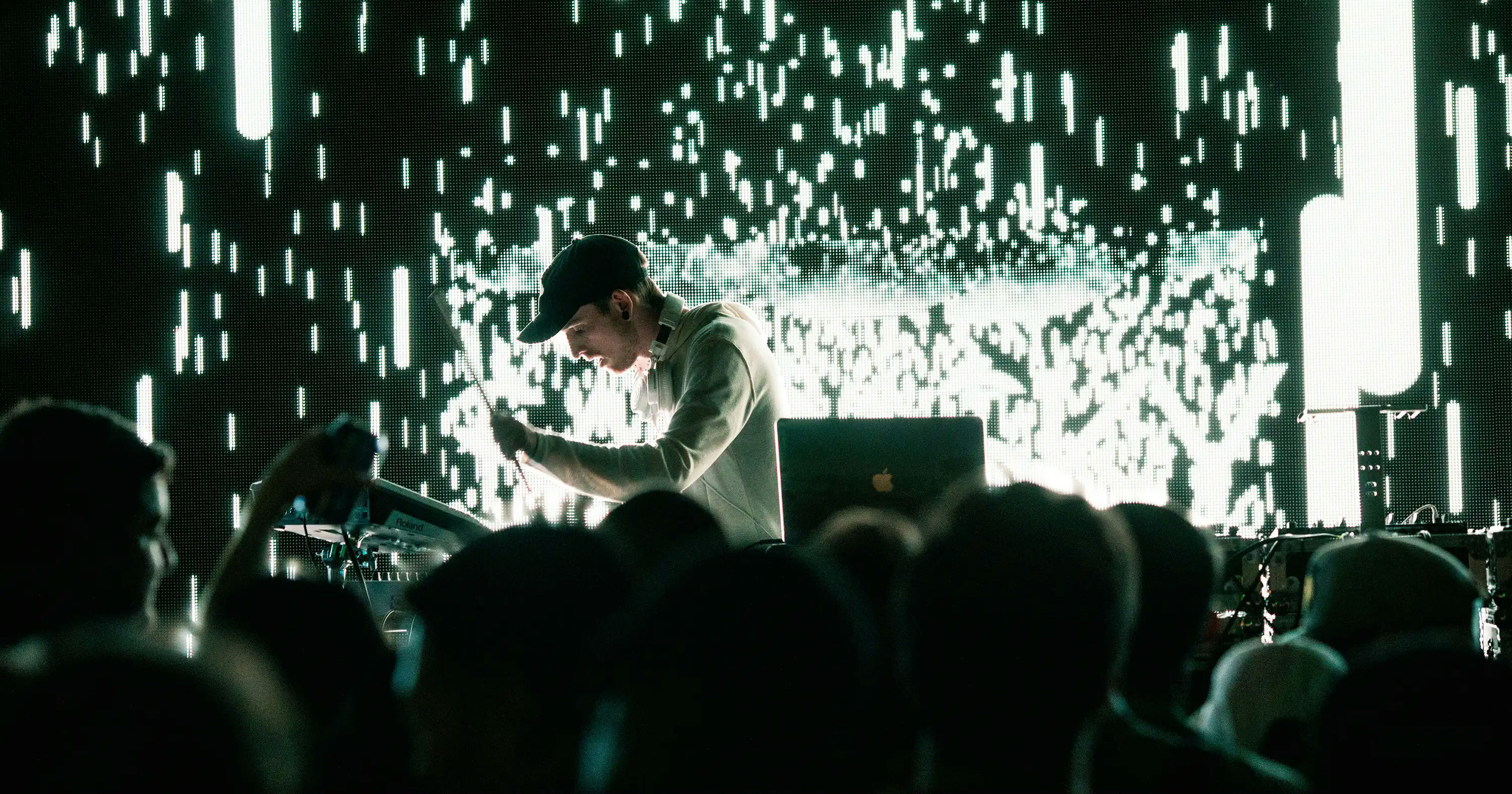
Now, a magnificent pendulum swing is currently tearing through the music production landscape. The artists who actually matter are not rejecting technology; they are hijacking it, mutating it, and forcing it to serve the visceral reality of rock, hip-hop, electronic, and punk. The 2026 studio is not a sterile laboratory; it is a chaotic, blinking spaceship piloted by maniacs. The bleeding edge of current music technology is defined by a massive return to tactile, uncompromising hardware, paired with hyper-advanced, utilitarian software that works invisibly in the background. The machines are getting smarter, but crucially, they are finally being forced to take a backseat to human sweat.
The Acoustic Synthesizer Rebellion
If one wants to understand the exact antithesis of the click-and-drag software plugin, look no further than the hardware dominating the 2026 equipment expos. The absolute darling of the current sonic underground is the Korg Phase8. Billed as an "acoustic synthesizer," it completely discards the traditional digital soundscape. Instead, it operates using physical, tuned resonators that are struck electromechanically. The player manipulates acoustic physics in real-time, sending violent, unpredictable vibrations through wavefolders and analog filters. It sounds like an electrified kalimba being played inside a collapsing cathedral. It is dangerous, it is unpredictable, and it is entirely impossible to replicate with a passive string of code.
Alongside the Phase8, the ASM Leviasynth has fundamentally rewired how producers approach frequency modulation. For decades, FM synthesis was a notoriously cold, mathematical process, requiring a user to stare at a glowing screen and type in parameters like a frustrated accountant. The Leviasynth takes that complex architecture and spreads it across a massive, tactile interface of knobs, ribbons, and polyphonic touchpads. It allows the musician to grab the sound, choke it, stretch it, and manipulate it like physical clay. These machines are massive, unapologetic beasts that demand physical interaction. They represent a fierce rejection of the laptop-only bedroom studio era, proving that the modern artist desperately wants to leave actual fingerprints on the audio.
Breaking the Desktop Prison
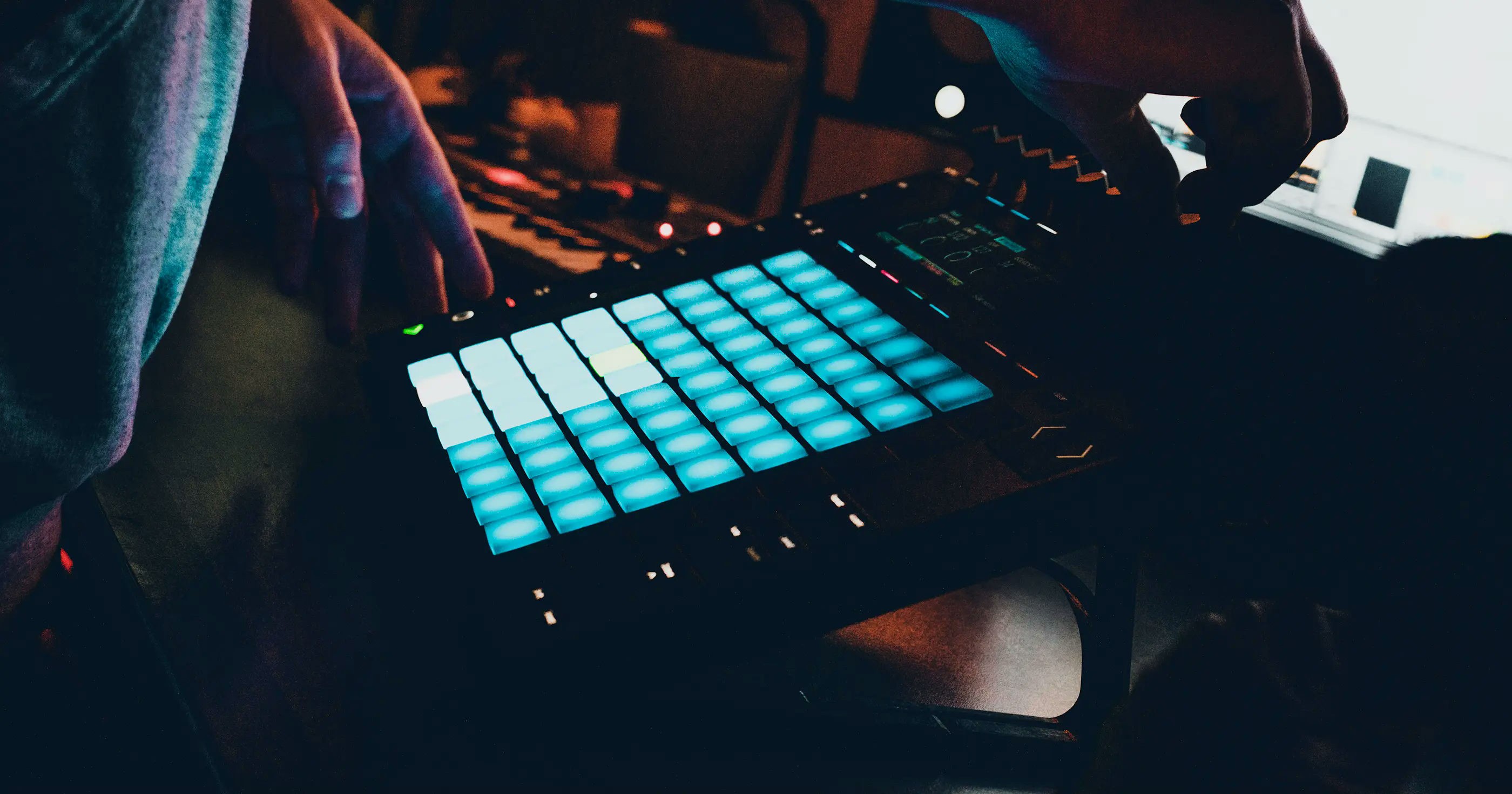
This desperation to escape the sterile glow of the computer monitor has also birthed a new golden age of the standalone workstation. The Akai MPC XL has essentially become the nervous system of the modern 2026 studio. Boasting the raw processing power of a high-end desktop computer but entirely encased in a heavy, pad-smashing physical chassis, it allows the producer to sever the USB cord entirely. The artist is no longer staring at a scrolling timeline; they are using their hands, relying on muscle memory, and chopping up samples by striking physical rubber. It is a return to the golden-era ethos of hip-hop and electronic production, supercharged with terabytes of solid-state memory and real-time analog voltage control. The screen is minimized; the physical groove is maximized.
The Invisible Algorithm
But what about the dreaded artificial intelligence? The great irony of 2026 is that AI has absolutely revolutionized music, just not in the way the tech evangelists predicted. Generative AI—the party trick of asking a machine to write a song from scratch—has been banished to the realm of corporate jingles and elevator music. Instead, the bleeding edge of software is all about invisible, utilitarian AI.
Producers are weaponizing tools like iZotope Neutron 5 and LALAL.AI not to create art, but to act as ultra-efficient studio assistants. These machine-learning algorithms operate in the shadows, instantly separating complex vocal stems from muddy cassette tape recordings, or dynamically neutralizing clashing frequencies in a dense mix. The AI is doing the tedious, mathematical janitorial work, instantly cleaning the audio so the human artist can focus entirely on the emotional delivery and the structural chaos of the track. The algorithm is no longer the author; it has been rightfully demoted to the role of the sound engineer's wrench.
The Delivery Mechanism
Of course, creating a masterpiece on a revolutionary acoustic synthesizer is entirely pointless if it gets buried beneath a hundred thousand artificially generated lo-fi beats on a corporate streaming platform. The artists pushing the boundaries of this tactile, hybrid technology are simultaneously rejecting the algorithmic playlists that strip music of its context.
This is exactly why the culture is migrating toward next-generation music sharing platforms like Audiopool. When an artist crafts a genuinely bizarre, beautiful track using a chaotic array of 2026 hardware, it requires an audience with an actual attention span. In localized, fan-driven digital arenas like Audiopool, the discovery process relies on human tastemakers, heated debates, and actual listeners championing the strange and the new. It is an ecosystem that rewards sonic risk-taking because the charts are dictated by human passion, not a passive, background-listening algorithm designed to keep users docile. The bleeding edge of music requires a bleeding-edge community to actually hear it, acting as an innovative way to release new music while getting your music noticed by real fans.
The Triumph of the Human Hand
The landscape of 2026 proves that the soul of music is far more resilient than the cynics predicted. The fear that technology would pave over human expression has been entirely inverted. By embracing massive, tactile hardware that demands physical mastery, and by forcing artificial intelligence into the role of a silent, subservient assistant, the modern artist is making music that sounds dirtier, heavier, and more alive than it has in a decade.
The studio has been successfully reclaimed. The glowing screens are being turned off, the massive analog knobs are being turned up, and the machines are finally sweating alongside the musicians. The future of music is not a string of automated code; it is a human hand violently striking a drum pad, capturing a moment of pure, unadulterated noise that no algorithm could ever dream of faking.